
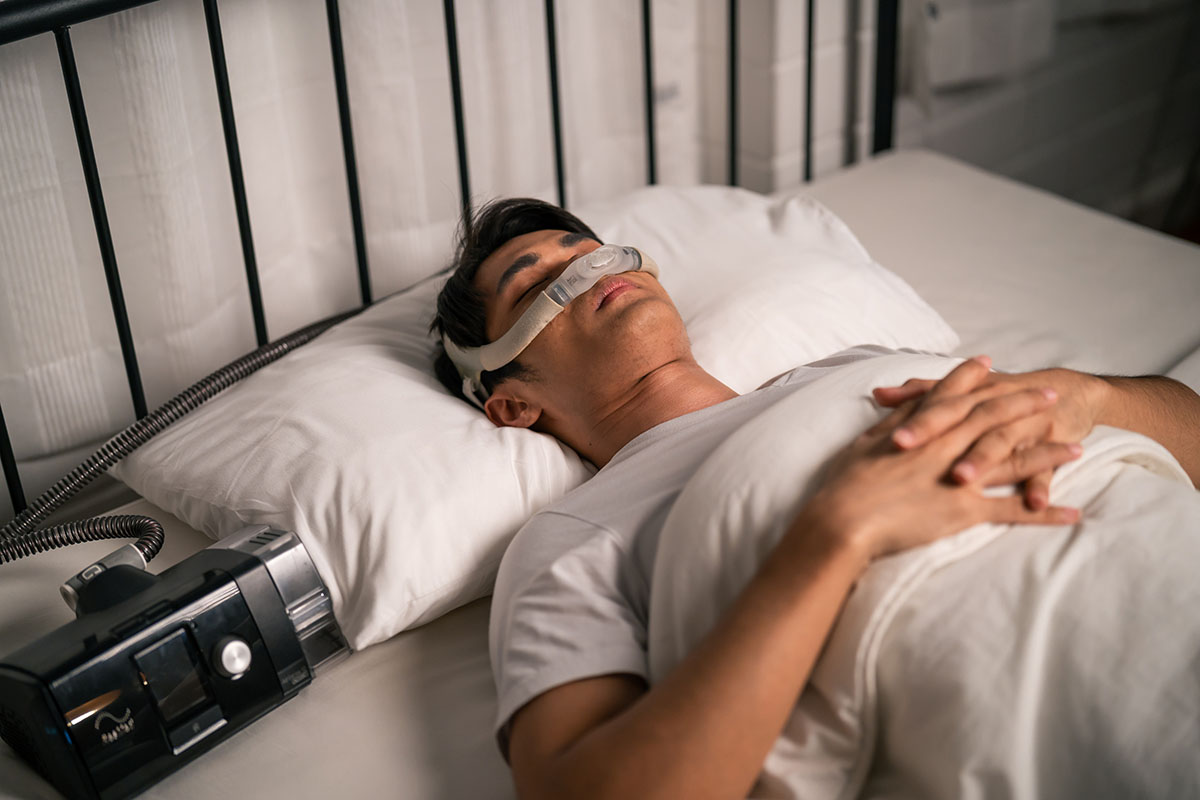
For many people diagnosed with sleep apnea, one of the first treatment options they hear about is a CPAP machine. CPAP therapy has been used for decades to help people maintain healthy breathing during sleep and remains one of the most common treatments for obstructive sleep apnea.
If you've recently been diagnosed or are exploring treatment options, understanding how a CPAP machine works can help you feel more informed about your care. While CPAP therapy is highly effective for many individuals, it is important to know that treatment should always be based on your specific needs and diagnosis.
What Is a CPAP Machine?
CPAP stands for Continuous Positive Airway Pressure. A CPAP machine is a medical device designed to help keep the airway open while you sleep by delivering a steady stream of pressurized air through a mask.
When a person with obstructive sleep apnea falls asleep, the muscles in the throat relax, allowing the airway to narrow or collapse. The gentle airflow from a CPAP machine helps prevent this collapse, allowing breathing to continue normally throughout the night.
Rather than treating the underlying cause of sleep apnea, CPAP therapy works by managing the condition and reducing breathing interruptions while the device is being used.
How Does a CPAP Machine Work?
A CPAP machine consists of three primary components:
The Machine
The main unit generates a continuous flow of pressurized air that helps keep the airway open throughout the night.
The Tubing
Flexible tubing connects the machine to the mask, allowing air to travel comfortably while you sleep.
The Mask
The mask fits over the nose or both the nose and mouth, depending on the individual's needs. Different mask styles are available to improve comfort and fit.
As you sleep, the machine delivers a constant level of air pressure that prevents the airway from collapsing. This allows oxygen to flow normally and reduces the repeated breathing interruptions associated with obstructive sleep apnea.
Who Uses a CPAP Machine?
CPAP therapy is most commonly recommended for people diagnosed with obstructive sleep apnea, particularly those with moderate to severe cases.
A healthcare provider or sleep specialist will typically recommend CPAP therapy after reviewing the results of a sleep study. The appropriate pressure settings are often determined during testing to ensure effective treatment.
While CPAP is a common solution, every patient is different. Factors such as symptom severity, overall health, comfort, and personal preferences may all play a role in determining the most appropriate treatment plan.
Benefits of CPAP Therapy
For many patients, consistent CPAP use can lead to noticeable improvements in sleep quality and overall well-being.
Potential benefits include:
- Reduced breathing interruptions during sleep
- Improved oxygen levels overnight
- Better quality sleep
- Less daytime fatigue
- Reduced snoring
- Improved concentration and alertness
Many people also report feeling more rested after using CPAP consistently, particularly after adjusting to the device.
Common Challenges with CPAP
Although CPAP therapy is effective, some individuals find it takes time to become comfortable using the machine each night.
Some common concerns include:
- Difficulty adjusting to wearing a mask
- Air leaks around the mask
- Dry mouth or nasal dryness
- Feelings of claustrophobia
- Noise from the machine
- Difficulty sleeping in certain positions
Fortunately, many of these challenges can often be improved by adjusting the mask style, pressure settings, or humidification features. Working closely with your healthcare provider can help improve comfort and encourage long-term success with therapy.
Are There Alternatives to CPAP?
While CPAP remains one of the most effective treatments for many people with obstructive sleep apnea, it is not the only option.
Depending on the severity of the condition and the individual's needs, some patients may be candidates for alternative treatments such as:
- Oral appliance therapy
- Lifestyle modifications
- Weight management
- Positional sleep therapy
- Other treatments recommended by a healthcare provider
Oral appliance therapy uses a custom-made device that gently repositions the jaw during sleep to help maintain an open airway. For some patients with mild to moderate obstructive sleep apnea, this may be an appropriate treatment option.
The right treatment should always be determined through professional evaluation rather than choosing one option over another without proper guidance.
When Should You Visit a Sleep Apnea Clinic?
If you experience loud snoring, daytime fatigue, pauses in breathing during sleep, or other symptoms of sleep apnea, seeking professional evaluation is an important first step.
A sleep apnea clinic can assess your symptoms, review your medical history, and determine whether sleep testing may be appropriate. If sleep apnea is diagnosed, your provider can explain the available treatment options and recommend an approach based on your individual needs.
For those looking for a sleep apnea clinic in Lethbridge, early evaluation can help identify sleep-disordered breathing and provide access to personalized care.
Choosing the Right Treatment for Better Sleep
A CPAP machine has helped countless people manage obstructive sleep apnea and improve their quality of sleep. Understanding how CPAP works makes it easier to feel confident when discussing treatment options with your healthcare provider.
Whether CPAP therapy or another treatment is recommended, the goal remains the same: improving breathing during sleep and helping you wake feeling more rested, energized, and ready for the day.
If you think sleep apnea may be affecting your health, speaking with a qualified sleep professional is an excellent place to start.