
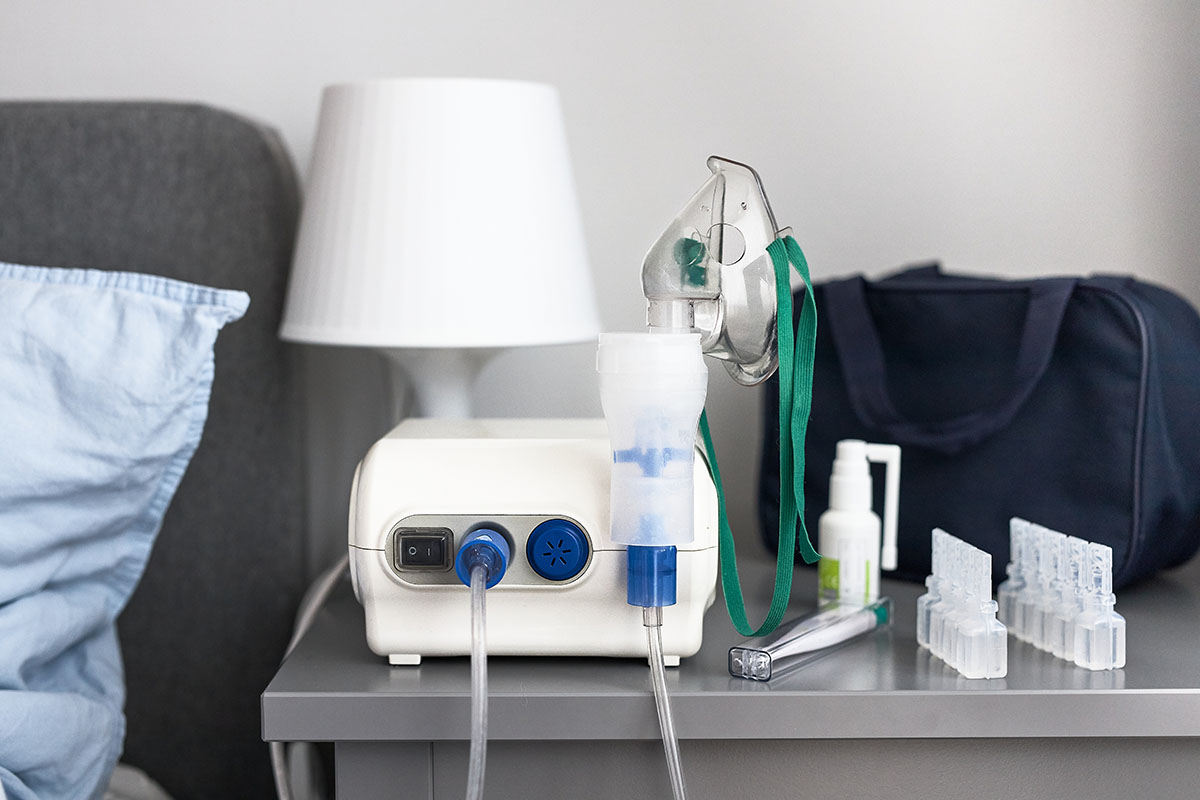
If you suspect you have sleep apnea, you might be putting off getting tested for one major reason: you do not want to sleep hooked up to a noisy machine and a bulky face mask every night.
You are not alone. One of the biggest barriers keeping people from addressing chronic snoring and daytime exhaustion is the assumption that a sleep apnea diagnosis automatically results in a Continuous Positive Airway Pressure (CPAP) machine.
The reality is much simpler and far more comfortable. You do not always need a CPAP machine to treat sleep apnea. In fact, for the vast majority of people dealing with mild to moderate sleep apnea, a CPAP machine is not the only option, nor is it always the first step.
Why So Many People Avoid Getting Tested
When most people picture sleep apnea treatment, they imagine a bedside machine with hoses, straps, water chambers, and constant airflow. Because that setup looks intimidating and uncomfortable, many people decide they would rather just live with poor sleep, morning headaches, and loud snoring than get evaluated.
Unfortunately, ignoring the symptoms does not make the underlying issue go away. Untreated sleep apnea puts ongoing stress on your heart and prevents your brain from reaching deep, restorative sleep cycles. Avoiding a simple diagnostic test out of fear of a machine often keeps people from discovering much simpler solutions.
Understanding Sleep Apnea Severity
Treatment for sleep apnea is never one-size-fits-all. Before any device or therapy is recommended, a sleep test is used to measure your Apnea-Hypopnea Index (AHI), which counts how many times your breathing pauses or becomes shallow per hour of sleep:
- Mild Sleep Apnea: 5 to 14 breathing events per hour
- Moderate Sleep Apnea: 15 to 30 breathing events per hour
- Severe Sleep Apnea: Over 30 breathing events per hour
While CPAP machines are highly effective, they are primarily necessary for severe sleep apnea or complex medical conditions where pressurized air is required to physically force the airway open. For mild to moderate obstructive sleep apnea, less invasive options are frequently just as effective and much easier to live with.
Oral Appliance Therapy: A Comfortable Alternative
For patients with mild to moderate obstructive sleep apnea, or those who have tried a CPAP machine and simply cannot tolerate it, custom Oral Appliance Therapy (OAT) offers a proven alternative.
An oral appliance looks similar to a custom-fitted sports mouthguard or orthodontic retainer. Worn only while you sleep, it uses precision-engineered wings to gently hold your lower jaw slightly forward. This subtle shift prevents your tongue and soft throat tissues from collapsing backward and blocking your airway.
Because there are no masks, hoses, or power cords involved, patients are far more likely to use their device consistently:
- Higher Long-Term Compliance: Studies and clinical data show that custom oral appliances have roughly a 90% patient compliance rate, compared to around 50% for traditional CPAP machines.
- Completely Silent: Neither you nor your partner will be kept awake by motor hums or air leaks.
- Easy to Travel With: A custom oral appliance fits inside a small pocket-sized case, making vacations and work trips effortless.
Getting Tested Is Easier Than You Think
You do not need to spend a night wired up in an unfamiliar hospital sleep lab just to find out where you stand. Modern diagnostic options allow you to get clear answers right from your own bed.
A Level 3 Take-Home Sleep Test uses a compact, lightweight monitor with a simple finger sensor and nasal tube to track your oxygen levels and breathing patterns while you sleep normally at home. Once the data is collected, a qualified sleep provider reviews your results to determine your severity level and walk you through all available treatment choices.
Take the Pressure Off Your Sleep Health
Suspecting you have sleep apnea does not mean you are signing up for a lifetime with a CPAP mask. Getting evaluated is simply about gathering information so you can make an informed decision about your health and energy levels.
If you are tired of waking up exhausted or dealing with disruptive snoring, consider starting with an online sleep risk assessment or scheduling a complimentary consultation at Lethbridge Snoring & Sleep Apnea Clinic. Finding out what is actually happening while you sleep is the easiest first step toward waking up refreshed.