
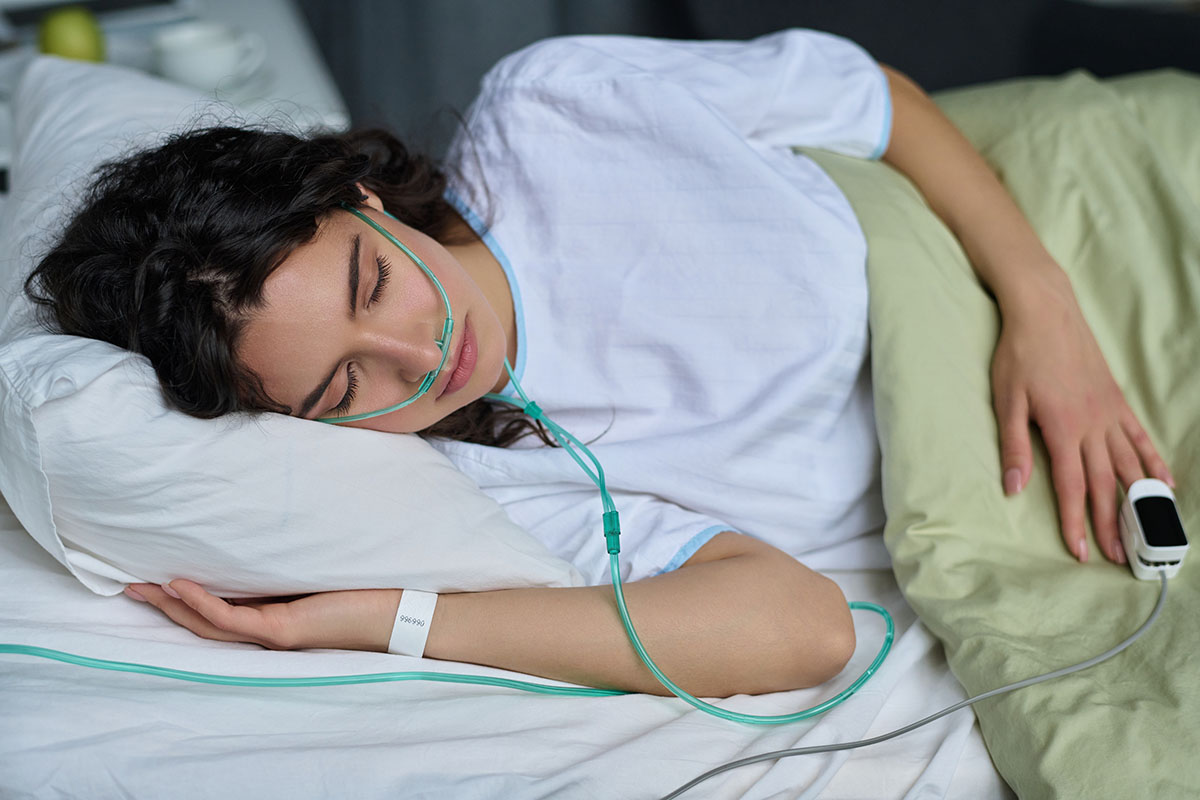
If you snore loudly, wake up gasping for air, or feel tired even after a full night of sleep, you may wonder whether sleep apnea could be the reason. Sleep apnea is a sleep-related breathing disorder that causes repeated interruptions in breathing during sleep. Because these interruptions happen while you are asleep, they can be difficult to recognize on your own at first.
A sleep apnea diagnosis usually starts with a discussion of your symptoms and health history, followed by a sleep study or sleep apnea test. Understanding the process can make it easier to know what to expect and when to seek help.
What Is Sleep Apnea?
Sleep apnea occurs when breathing repeatedly stops or becomes reduced during sleep. The most common type is obstructive sleep apnea (OSA), which happens when the upper airway becomes blocked or narrowed while you sleep.
Common signs can include loud snoring, pauses in breathing noticed by a bed partner, waking up choking or gasping, morning headaches, dry mouth, restless sleep, and excessive daytime sleepiness. Not everyone with sleep apnea has the same symptoms, which is one reason testing can be important.
When Should You Get Tested for Sleep Apnea?
A sleep apnea test may be recommended when symptoms or risk factors suggest that your breathing could be disrupted during sleep. Persistent loud snoring does not necessarily mean you have sleep apnea, but it can be worth discussing with a healthcare professional, particularly when other symptoms are present.
You may want to ask about testing if you regularly experience:
- Loud or frequent snoring
- Waking up gasping, choking, or short of breath
- Breathing pauses during sleep
- Excessive daytime tiredness or sleepiness
- Morning headaches or a dry mouth
- Difficulty concentrating
- Unrefreshing or restless sleep
How Is Sleep Apnea Diagnosed?
Diagnosing sleep apnea generally involves gathering information about your symptoms and measuring what happens while you sleep. The exact process can vary depending on your symptoms, health history, and the type of test being used.
Your healthcare provider may ask about your sleep patterns, snoring, daytime symptoms, medications, and overall health. A bed partner may also provide useful information because they can sometimes notice breathing pauses, gasping, or unusual movements that you do not notice yourself.
If testing is appropriate, you may be referred for a sleep study. Depending on your situation, this may take place at home or in a sleep facility.
What Happens During a Sleep Apnea Test?
A sleep apnea test is designed to collect information about your breathing and sleep-related activity. A home sleep apnea test is typically completed while you sleep in your own bed. You are given instructions for using equipment that may monitor breathing, oxygen levels, heart rate, and other signals.
An in-lab sleep study can collect more detailed information and may monitor additional signals related to brain activity, muscle activity, body movement, heart activity, breathing, and oxygen levels. An overnight study may be recommended when a more comprehensive evaluation is needed.
Will a Sleep Test Show If You Have Sleep Apnea?
The information collected during a sleep study can help a qualified professional determine whether breathing disruptions occurred during the night and how frequently they happened. One commonly used measurement is the apnea-hypopnea index (AHI), which represents the number of apneas and hypopneas recorded per hour of sleep or recording time, depending on the type of study.
Your healthcare professional can explain what the results mean and whether they support a diagnosis of sleep apnea.
What Happens After the Sleep Test?
Once the test is complete, the recorded information is reviewed and a report is prepared. If sleep apnea is identified, the next step is discussing treatment options based on the type and severity of the condition and your individual needs.
Treatment can vary. Options may include lifestyle changes, positional therapy, CPAP therapy, oral appliance therapy, or other approaches. The appropriate treatment depends on the diagnosis and should be discussed with a qualified healthcare professional.
Is a Home Sleep Apnea Test Right for Everyone?
Home testing can be a convenient way to evaluate people who are suspected of having obstructive sleep apnea. However, it is not appropriate for everyone and may not provide the same level of information as an in-lab sleep study.
If a home test is negative, unclear, or does not match your symptoms, additional testing may sometimes be recommended. Your healthcare professional can determine which type of sleep study is appropriate for your situation.
What Should You Do If You Think You Have Sleep Apnea?
If you regularly snore, wake up gasping, or feel unusually tired during the day, consider speaking with a healthcare professional about your symptoms.
A sleep apnea test can help move the process from guessing to understanding what may be happening while you sleep. Getting an appropriate evaluation is an important first step toward identifying the cause of disrupted sleep and exploring treatment options.
Better Sleep Starts With the Right Evaluation
Sleep apnea can be difficult to recognize because many of its symptoms happen while you are asleep. A sleep study provides valuable information about breathing and other sleep-related activity that cannot be assessed simply by how rested you feel in the morning.
If you think you may have sleep apnea, consider speaking with a healthcare professional or local sleep clinic about whether a sleep apnea test is appropriate for you. Understanding the cause of your symptoms can help you take the next step toward better, more restful sleep.