
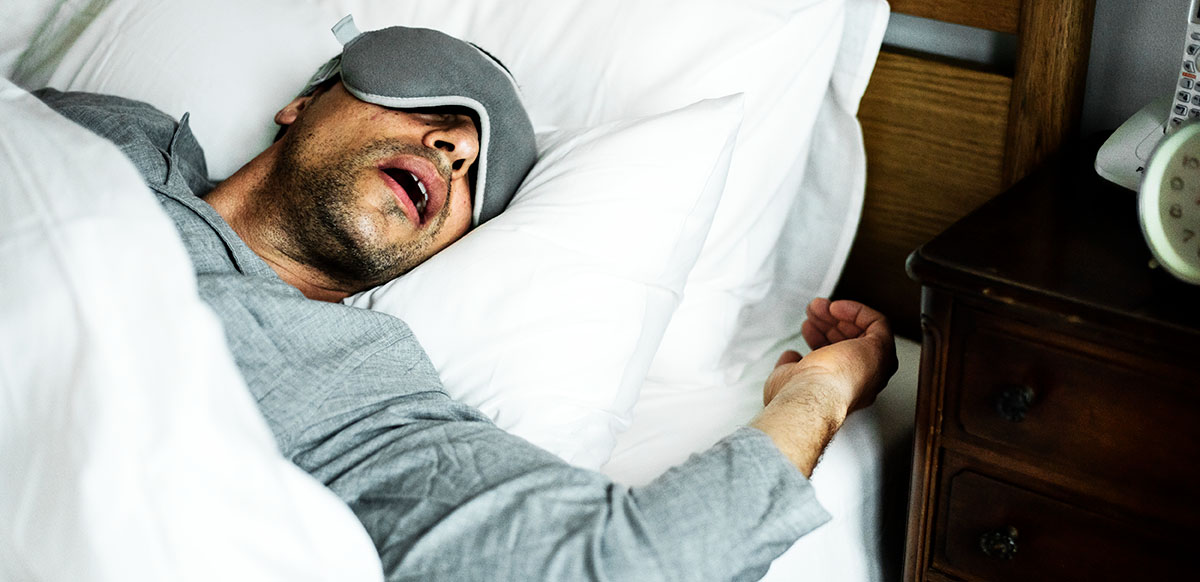
Sleep apnea is a common sleep disorder that affects breathing during sleep. While many people associate it primarily with loud snoring or daytime fatigue, sleep apnea can take several different forms. Understanding the type of sleep apnea involved is important because each type has different underlying causes and may require a different approach to care.
The three main types of sleep apnea are obstructive sleep apnea, central sleep apnea, and mixed sleep apnea. Although they share some similarities, they affect breathing in different ways and can vary in severity.
What Is Sleep Apnea?
Sleep apnea occurs when breathing repeatedly stops and starts during sleep. These interruptions can happen many times throughout the night and may prevent the body from reaching deep, restorative stages of sleep.
Each breathing pause briefly disrupts normal sleep patterns and may reduce oxygen levels in the body. Over time, untreated sleep apnea can affect energy, concentration, mood, and overall health.
Because symptoms often occur during sleep, many people may not realize they have the condition until a partner notices breathing disruptions or daytime fatigue becomes difficult to ignore.
1. Obstructive Sleep Apnea (OSA)
Obstructive sleep apnea, commonly referred to as OSA, is the most common type of sleep apnea. It occurs when the airway becomes partially or completely blocked during sleep.
As the muscles in the throat relax, soft tissues can collapse inward and restrict airflow. In response, the body briefly wakes itself to restart breathing, often without the person remembering the interruption.
Common signs of obstructive sleep apnea may include:
- Loud or chronic snoring
- Gasping or choking during sleep
- Morning headaches
- Dry mouth upon waking
- Excessive daytime tiredness
Several factors can increase the risk of OSA, including excess weight, airway anatomy, sleeping position, and certain lifestyle habits.
Because obstructive sleep apnea involves a physical blockage of the airway, treatment approaches often focus on improving airflow during sleep.
2. Central Sleep Apnea (CSA)
Central sleep apnea is less common than obstructive sleep apnea and develops differently. Instead of a blocked airway, CSA occurs when the brain does not consistently send proper signals to the muscles responsible for breathing.
During these episodes, breathing temporarily stops because the body does not make the effort to breathe.
Unlike OSA, central sleep apnea is not typically associated with significant airway obstruction or loud snoring. In some cases, CSA may be connected to underlying medical conditions involving the heart, brain, or nervous system.
People with central sleep apnea may experience:
- Interrupted sleep
- Shortness of breath during the night
- Difficulty staying asleep
- Daytime fatigue
- Irregular breathing patterns
Because the causes differ from obstructive sleep apnea, proper diagnosis is especially important in determining the most appropriate next steps.
3. Mixed or Complex Sleep Apnea
Mixed sleep apnea, sometimes called complex sleep apnea, is a combination of both obstructive and central sleep apnea.
With this form, a person experiences both physical airway obstruction and disruptions in breathing signals from the brain. Breathing events may begin as obstructive episodes and later shift into central breathing interruptions.
Mixed sleep apnea is often identified during sleep testing, where specialists can monitor airflow, oxygen levels, and breathing patterns throughout the night.
Because this type combines characteristics of both major forms of sleep apnea, evaluation and treatment planning may require a more detailed approach.
How Are the Different Types Diagnosed?
The symptoms of different sleep apnea types can overlap, which is why professional evaluation is important. A sleep study is the most common way to diagnose sleep apnea and determine which type is present.
During sleep testing, specialists monitor:
- Breathing patterns
- Oxygen levels
- Heart rate
- Sleep stages
- Airflow interruptions
This information helps identify whether breathing disruptions are caused by airway blockage, neurological signaling issues, or a combination of both.
Accurate diagnosis is essential because treatment recommendations often depend on the type and severity of sleep apnea involved.
Why Understanding the Type Matters
While all forms of sleep apnea involve interrupted breathing during sleep, the underlying causes can differ significantly.
Understanding the specific type helps guide the evaluation process and supports more personalized care. Some patients may benefit from airway-focused therapies, while others may require broader medical assessment.
Recognizing the differences between obstructive, central, and mixed sleep apnea can also help patients better understand their symptoms and the importance of seeking professional guidance.
When to Visit a Sleep Apnea Clinic
Many people live with sleep apnea symptoms for years before seeking help. Loud snoring, ongoing fatigue, or waking up feeling unrested are often dismissed as normal, but these signs may indicate an underlying sleep disorder.
A sleep apnea clinic can help assess symptoms, review risk factors, and determine whether sleep testing may be appropriate. Early evaluation may help identify breathing disruptions before they begin affecting overall health and daily life more significantly.
For individuals searching for a sleep apnea clinic in Lethbridge, professional guidance can provide clarity, support, and a path toward better sleep.
Take the First Step Toward Better Sleep
Understanding the three types of sleep apnea is an important step in recognizing how sleep-disordered breathing can affect health and well-being. Whether symptoms are mild or more severe, proper evaluation can help identify what is happening during sleep and what steps may help moving forward.
Better sleep begins with awareness, accurate diagnosis, and the right support.