
Sleep apnea is a common sleep disorder that affects how you breathe while you sleep. Many people live with it for years without realizing it, often dismissing the signs as simple snoring or poor sleep. Left unaddressed, it can impact energy levels, focus, and overall health.
Understanding what sleep apnea is, what causes it, and how it can be managed is the first step toward better sleep and long-term well-being.
What Is Sleep Apnea?
Sleep apnea is a condition where breathing repeatedly stops and starts during sleep. These pauses can last for seconds at a time and may occur dozens—or even hundreds—of times throughout the night.
Each time breathing stops, the body is briefly awakened to restart airflow. While these interruptions are often not remembered, they prevent deep, restorative sleep from taking place.
Over time, this disrupted sleep pattern can affect how you feel during the day and how your body functions overall.
Common Symptoms of Sleep Apnea
The signs of sleep apnea can appear both during sleep and throughout the day. Because it happens at night, many symptoms are first noticed by a partner or family member.
Some of the most common symptoms include:
- Loud or chronic snoring
- Pauses in breathing during sleep
- Gasping or choking during the night
- Waking with a dry mouth or sore throat
- Morning headaches
- Excessive daytime fatigue
- Difficulty concentrating
- Mood changes such as irritability
Not everyone will experience every symptom, and their severity can vary. However, ongoing sleep disruption is a key indicator that something may not be right.
What Causes Sleep Apnea?
Sleep apnea can develop for several different reasons, often involving a combination of physical and lifestyle factors.
The most common cause is a narrowing or blockage of the airway during sleep. When the muscles in the throat relax, the airway can partially or fully collapse, limiting airflow.
Other contributing factors may include:
- The shape and size of the airway
- Jaw position or facial structure
- Excess weight, particularly around the neck
- Sleeping on the back
- Alcohol or sedative use before bed
- Certain medical or neurological conditions
In some cases, the issue is not a blockage but a disruption in how the brain signals the body to breathe. Understanding the cause helps guide proper evaluation and care.
Types of Sleep Apnea
There are three main types of sleep apnea, each with different underlying mechanisms:
Obstructive Sleep Apnea (OSA)
This is the most common form and occurs when the airway becomes blocked during sleep due to relaxed muscles and soft tissue.
Central Sleep Apnea (CSA)
This type happens when the brain does not send consistent signals to the muscles responsible for breathing.
Mixed or Complex Sleep Apnea
A combination of both obstructive and central factors, where airway blockage and irregular breathing signals occur together.
Identifying the type of sleep apnea is an important part of determining the right approach moving forward.
Why Sleep Apnea Should Not Be Ignored
Sleep apnea is more than just a nighttime issue. Because it disrupts oxygen flow and sleep quality, it can have broader effects on overall health.
When left untreated, it may increase the risk of:
- High blood pressure
- Heart disease
- Stroke
- Daytime fatigue-related accidents
- Reduced mental clarity and performance
Even mild sleep apnea can impact quality of life, especially when symptoms persist over time.
Sleep Apnea Treatment Options
The goal of treatment is to keep the airway open and maintain consistent breathing throughout the night. The right approach depends on the individual and the severity of the condition.
Common options include:
Oral Appliance Therapy
Custom-made oral appliances gently reposition the jaw to help keep the airway open during sleep. These are often preferred by patients looking for a comfortable, quiet alternative.
CPAP Therapy
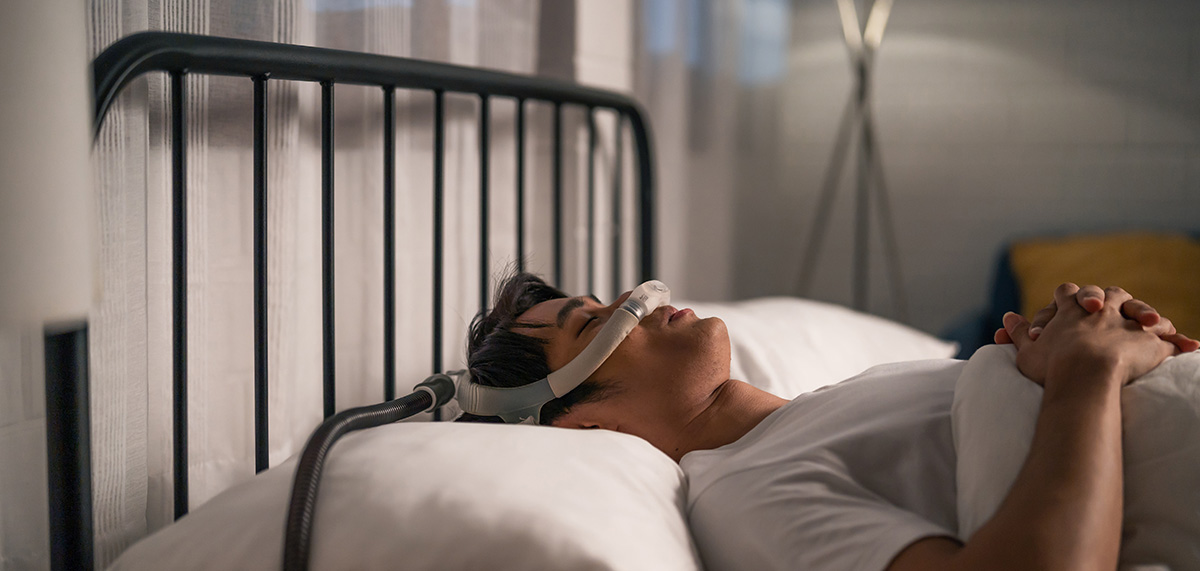
Continuous Positive Airway Pressure (CPAP) uses a machine to deliver steady airflow through a mask, preventing airway collapse.
Lifestyle Adjustments
Changes such as sleep positioning, weight management, and reducing alcohol intake can support overall outcomes.
Each option has its place, and a personalized plan helps ensure the best results.
When to Consider a Sleep Apnea Clinic
If you or someone close to you has noticed signs of disrupted breathing, loud snoring, or ongoing fatigue, it may be time to seek professional evaluation.
A sleep apnea clinic can help assess your symptoms, review your risk factors, and guide you through the next steps. This may include a sleep test to monitor breathing patterns overnight and confirm whether sleep apnea is present.
For those looking for a sleep apnea clinic in Lethbridge, working with a local team provides access to personalized care, ongoing support, and treatment options tailored to your needs.
Take the First Step Toward Better Sleep
Sleep apnea is a manageable condition, and many people experience significant improvements once it is properly addressed. The key is recognizing the signs and taking action early.
If you suspect that your sleep may be affected, seeking guidance is a simple but important first step. Better sleep can lead to improved energy, focus, and overall health.